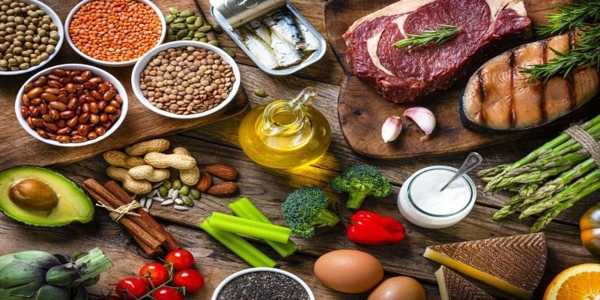
Is ditching carbs the magic key to better health and lasting weight loss? If you’ve ever typed “best diet for fat loss” into a search bar, chances are two words kept popping up: keto and low-carb. But how are they different—and more importantly, which one actually works better for the long haul? Here’s a breakdown of both diets, how they work, and what real people are experiencing on each.
You might be thinking: aren’t keto and low-carb basically the same thing?
Not quite.
Keto is a very low-carb, high-fat diet that pushes your body into a state called ketosis—a metabolic shift where fat becomes your primary energy source instead of carbs.
Low-carb, on the other hand, is more flexible. It reduces carb intake, yes, but it doesn’t aim to hit a specific level of ketones or completely ditch all grains and fruits.
Think of it this way:
• Keto = strict rules, high fat, minimal carbs (usually under 50g a day).
• Low-carb = looser rules, moderate fat, more wiggle room (50–150g of carbs a day).
Both promise results—but they work in different ways.
Keto is like a rocket ship—when it works, it really takes off. In the first few weeks, many people drop pounds fast. That’s partly because of water loss, but fat loss follows if you stick with it.
Low-carb tends to be more gradual. You might not see the same “wow” results in week one, but you’ll likely avoid the common energy crash and “keto flu” that come with suddenly cutting carbs too drastically.
Real-life comparison:
• A woman trying keto might lose 7 pounds in her first 10 days.
• Her friend on a low-carb plan might lose 3 pounds but feel more energized and less restricted.
So, it’s not always about speed. It’s about sustainability.
One of the most surprising things about keto? People often say they’re just not hungry. That’s because eating more fat and protein keeps you full for hours. No more snacking every 90 minutes or feeling ravenous before dinner.
Low-carb diets also help curb hunger, but since they usually include more carbs (like fruit, oats, or legumes), some people find they get hungry a little sooner than on keto. Still, both options beat the old-school low-fat diets where you’d be starving by 4 p.m. and reaching for rice cakes.
Ever felt super tired after lunch? That’s often the result of a blood sugar spike and crash. Reducing carbs helps stabilize blood sugar levels—and both keto and low-carb can fix that.
Here’s where they split again:
• Keto might make you feel foggy or sluggish in the first week. That’s your body adapting to using fat instead of glucose. Some call it “keto flu.”
• Low-carb tends to be easier on the system. You still cut out sugar and refined carbs, but the transition is gentler.
If you're an athlete or work a high-intensity job, low-carb might feel more sustainable. On keto, some people report energy dips during intense workouts—especially in the beginning.
This is where things get real.
Keto is strict. No bread, no rice, no pasta. Say goodbye to bananas, oats, and even some types of beans. Going out to eat? You’ll be scanning menus for grilled meat and side salads.
Low-carb gives you options. You can still have fruit. You can enjoy whole grains in moderation. That slice of sourdough at brunch? It might be allowed. The flexibility makes it easier to keep up with, especially in social settings or while traveling.
Let’s be honest—any diet that makes you feel left out during family dinner probably won’t last forever. That’s why many people start with keto for quick results and then transition to a more moderate low-carb lifestyle.
Here’s what research says about both:
• Keto has been shown to help with rapid weight loss, better insulin sensitivity, and reducing triglycerides. It’s also being studied for neurological benefits, especially in epilepsy and Alzheimer’s.
• Low-carb diets help reduce risk factors for heart disease, lower blood pressure, and promote fat loss without compromising long-term energy levels.
But here's the kicker: sustainability matters more than initial weight loss. A diet only works if you can stick with it for months—or even years.
Doctors often recommend low-carb diets for people who want balanced nutrition and a more adaptable plan. Keto can be effective, but it's not for everyone. Some people feel amazing about it, while others burn out after a few weeks.
You might be wondering what you’d actually eat day to day. Let’s break it down:
Keto Day:
• Breakfast: Scrambled eggs cooked in butter with avocado slices.
• Lunch: Chicken thighs with olive oil and roasted cauliflower.
• Dinner: Salmon with zucchini noodles and pesto.
• Snacks: Cheese cubes, macadamia nuts.
Low-Carb Day:
• Breakfast: Greek yogurt with berries and chia seeds.
• Lunch: Grilled chicken salad with quinoa.
• Dinner: Stir-fried beef with broccoli and a small serving of brown rice.
• Snacks: Almonds, apple slices with peanut butter.
Notice the difference? Keto avoids most fruits, grains, and even starchy vegetables. Low-carb welcomes them in small portions, making meals feel more diverse.
Let’s be real—nobody wants to be on a “diet” forever. So the real question is: which approach helps you build habits you can live with?
For most people, low-carb wins in terms of sustainability. It’s easier to maintain, adapts better to real-life situations, and still brings excellent results if done right.
But if you’re looking for a dramatic kickstart and don’t mind the restrictions? Keto might be the boost you need.
Whichever road you take, focus on real, whole foods. Skip the processed snacks and fake “keto-friendly” treats. Learn how food makes you feel. And give yourself grace along the way. You don’t need a perfect plan. You just need one that works for you.